


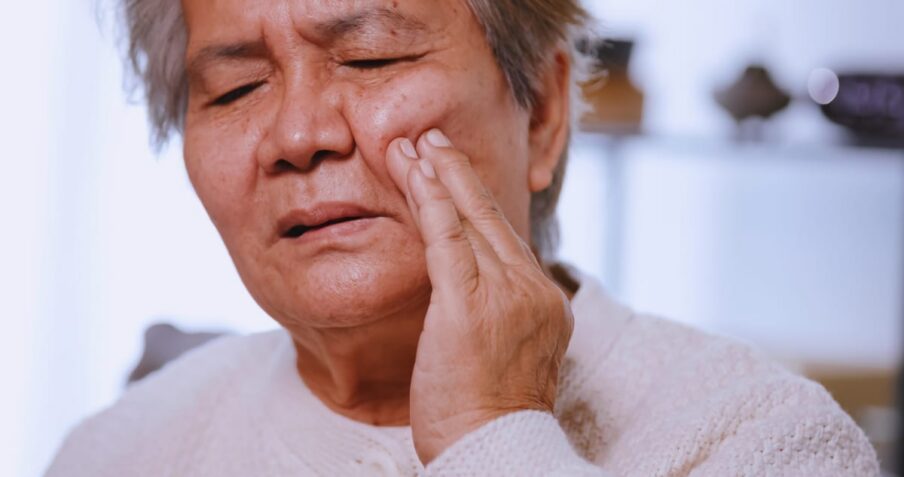
Stop TMJ Pain Without Surgery: 5 Self-Care Techniques That Work
Living with jaw pain is exhausting. If you grind your teeth, wake up with headaches, or hear clicking when you chew, TMJ disorder may be the cause. The good news is that many McKinney patients can stop TMJ pain without surgery using simple, proven self-care techniques. At Red Oak Family Dentistry of McKinney, Dr. Anthony Do helps patients find lasting relief — often starting at home.
What Is TMJ Disorder and Why Does It Hurt?
Your temporomandibular joint connects your jaw to your skull. It controls every bite, yawn, and word you speak. When this joint becomes inflamed or misaligned, it causes a condition called TMJ disorder (or TMD).
Common symptoms include jaw soreness, clicking or popping sounds, ear pain, and headaches. Many patients also feel facial tension or neck stiffness. These symptoms can range from mild to severely disruptive.
Understanding what triggers your pain is the first step toward managing it. The self-care strategies below address the most common causes — muscle tension, inflammation, and harmful habits.
5 Self-Care Techniques to Stop TMJ Pain Without Surgery in McKinney
These evidence-backed techniques can significantly reduce TMJ discomfort. Use them consistently for the best results. Always talk to Dr. Do before starting any new routine if your symptoms are severe.
1. Gentle Jaw Exercises
Targeted exercises relax and strengthen the muscles around your jaw. Try slow, controlled opening and closing movements in front of a mirror. Resist the urge to open your mouth too wide — small movements are safer.
Another helpful exercise is the chin tuck. Pull your chin gently back toward your neck and hold for five seconds. Repeat this 10 times daily to reduce forward jaw tension.
2. Heat and Cold Therapy
Heat increases blood flow and loosens tight muscles. Apply a warm, damp cloth to your jaw for 10–15 minutes before meals or exercise. This works especially well in the morning when stiffness peaks.
Cold therapy reduces swelling and numbs sharp pain. Use an ice pack wrapped in a towel for no more than 10 minutes at a time. Alternate heat and cold for the most effective relief.
3. Dietary Changes for TMJ Relief
What you eat directly affects your jaw. Hard, crunchy, or chewy foods force your jaw muscles to work harder. This added strain worsens inflammation and pain.
Switch to a soft-food diet during flare-ups. Focus on:
- Cooked vegetables and mashed potatoes
- Yogurt, scrambled eggs, and smoothies
- Soft fish, ground meat, and soups
- Oatmeal, bananas, and avocado
Avoid hard candies, bagels, raw carrots, and chewy meats. Even chewing gum can aggravate TMJ symptoms significantly.
4. Stress Management Techniques
Stress is one of the biggest TMJ triggers. When you’re anxious, you unconsciously clench your jaw. This constant tension inflames the joint over time.
Mindfulness meditation, deep breathing, and progressive muscle relaxation all reduce jaw clenching. Even 10 minutes of focused breathing before bed can make a noticeable difference. Regular exercise also helps your body release muscle tension naturally.
5. Postural Corrections
Poor posture pulls your jaw out of alignment. Forward head posture — common with phone and desk use — strains the muscles connected to your jaw. This often goes unnoticed until pain sets in.
Sit with your shoulders back and your screen at eye level. Keep your teeth slightly apart and your lips lightly closed when at rest. Avoid resting your chin in your hand, as this stresses the joint directly.
Habits That Make TMJ Pain Worse
Avoiding harmful habits is just as important as practicing good ones. Many patients unknowingly repeat behaviors that keep their TMJ symptoms from improving.
Watch out for these common TMJ aggravators:
- Chewing on one side of your mouth only
- Biting your nails or chewing on pens
- Clenching or grinding teeth during sleep (bruxism)
- Opening your mouth too wide — such as during large bites
- Sleeping on your stomach with your face pressed into the pillow
- Carrying heavy bags on one shoulder for extended periods
Bruxism is especially damaging. If you grind at night, Dr. Do can fit you with a custom nightguard. This simple device protects your teeth and significantly reduces jaw strain while you sleep.
When to See Dr. Anthony Do in McKinney
Self-care works well for mild to moderate TMJ symptoms. But some cases need professional evaluation. Don’t wait if your pain is worsening, spreading, or interfering with eating and speaking.
Dr. Do offers comprehensive TMJ evaluation at Red Oak Family Dentistry of McKinney. He will assess your bite, jaw alignment, and muscle tension to identify the root cause. From there, he builds a personalized treatment plan — which may include a nightguard, bite adjustment, or Restorative Dentistry McKinney solutions.
In some cases, jaw pain can signal a dental problem that needs immediate attention — like an infected tooth requiring Root Canals McKinney treatment. Getting a proper diagnosis ensures you’re treating the right issue.
Early intervention prevents long-term joint damage. The sooner you address TMJ disorder, the more options you have for non-surgical relief.
Conclusion: Take Control of Your TMJ Pain Today
You don’t have to live with jaw pain. By using these five self-care techniques consistently, many McKinney patients find meaningful relief without surgical intervention. Jaw exercises, heat and cold therapy, dietary adjustments, stress management, and better posture are all powerful tools.
Pair these habits with professional guidance from Dr. Anthony Do for the best long-term outcome. Red Oak Family Dentistry of McKinney is here to support your journey to a pain-free jaw. Book Now to schedule your appointment with our team.
Frequently Asked Questions
Can TMJ disorder go away on its own?
Mild TMJ symptoms sometimes resolve with rest and self-care. However, persistent or worsening pain should be evaluated by a dentist. Without treatment, TMJ disorder can progress and cause lasting joint damage.
How long does it take for self-care techniques to work?
Most patients notice improvement within two to four weeks of consistent self-care. Results depend on the severity of your condition and how diligently you follow the routine. Combining multiple techniques tends to produce faster relief.
Is a nightguard the same as a TMJ splint?
They are similar but not identical. A nightguard protects teeth from grinding damage, while a TMJ splint is specifically designed to reposition the jaw joint. Dr. Do will recommend the right appliance based on your diagnosis.
What foods should I avoid with TMJ disorder?
Avoid hard, crunchy, or chewy foods during flare-ups. This includes nuts, raw vegetables, tough meats, bagels, and chewing gum. A soft-food diet reduces the workload on your jaw muscles and allows the joint to heal.
When is surgery actually necessary for TMJ?
Surgery is rarely required for TMJ disorder. It is typically only considered when conservative treatments — including self-care, nightguards, physical therapy, and medication — have all failed. Most patients in McKinney achieve relief without surgical intervention.