


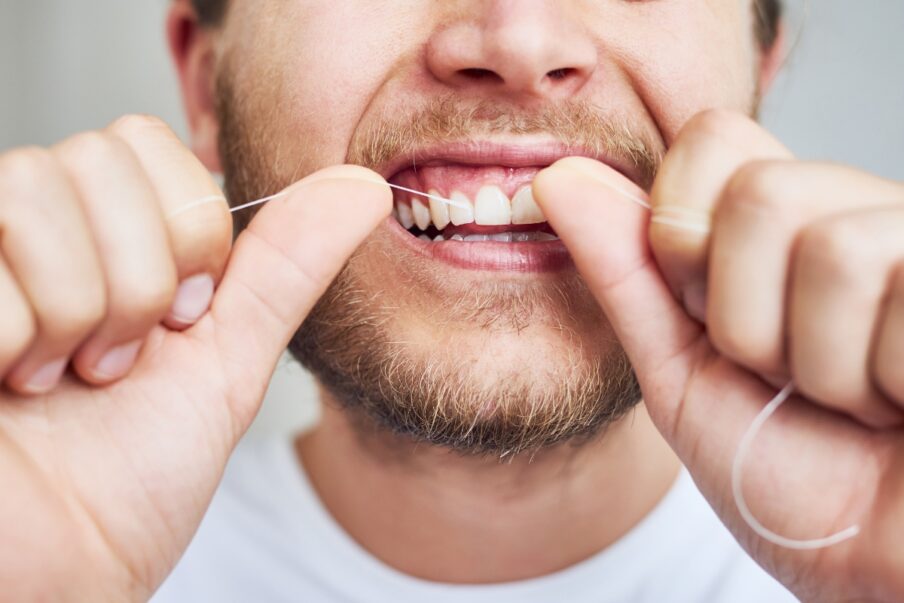
Red Oak Family Dentistry’s Guide to Flossing: Are You Doing It Right?
Flossing follows brushing in the majority of oral care regimens. Cheating on this process leads to gum disease, tooth cavities, and chronic bad breath. Research by dentists proves flossing cancels out issues that conventional brushing cannot. The majority underestimate the procedure’s capacity to protect long-term health.
Red Oak Family Dentistry emphasizes patient education as the foundation for proper oral health. This blog uncovers flossing myths, misconceptions, and best practices to change daily practices. Get real steps and dentist-approved advice on mastering correct flossing techniques today.
The Importance of Flossing
Daily flossing clears away the plaque and food particles your brush probably can’t reach. It goes all through the teeth. Not cleaning between your teeth increases the likelihood of developing cavities, gum disease, and bad breath that is resistant to all other forms of mouthwash.
Flossing makes a difference if you want your gums to be nice and healthy and your mouth to be squeaky clean. There’s good evidence that flossing is connected to less tooth decay and less buildup of gum disease.
Brushing alone is not enough. The American Dental Association (ADA) recommends daily flossing to keep your teeth and gums healthy. It’s not just the surface that brushing and flossing shield. It is a simple task. However, flossing is a necessary part of achieving a healthy mouth for life.
Flossing Mistakes
Most of us are flossing incorrectly. Aggressive flossing harms soft gum tissue, and it makes your gums more prone bleeding. Quick, inadequate flossing does not get rid of plaque.
So when you stop flossing, you disrupt the routine and actualize the ineffectiveness. Using the incorrect type of floss reduces effectiveness, especially for open or tight contacts. You should use waxed floss in tight contacts and dental tape for wide spaces. Floss picks help novices. However, they clean less efficiently.
Preventing these floss mistakes helps prevent dental issues. Habit brings healthier smiles and fewer visits to the dentist.
Step-by-Step Guide to Flossing Correctly
Step 1: Choose Your Floss Wisely
Depending on what you need, you can select between waxed, unwaxed, dental tape, and floss picks.
Step 2: Use the Right Length
For best results and greatest effectiveness, use 18 inches of floss.
Step 3: Correct Technique
Wind around fingers, go up and down gently between teeth, bend into a “C” shape.
Step 4: Don’t Neglect the Gumline
Carefully insert the floss beneath the gumline to effectively remove hidden plaque while protecting your gumline from unwanted bacterial growth.
Doing these flossing activities helps keep gums healthy, stops cavities, and preserves long-term oral health. A professional dentist in McKinney recommends doing this every day for the best results.
Signs You’re Flossing Correctly
Correct flossing delivers noticeable signs of success. Minimal gum bleeding improves with consistent practice. Teeth feel cleaner after meals, with no trapped food particles lingering.
Gums appear pink, firm, and healthy without swelling. Breath remains fresher longer throughout the day. Proper flossing prevents plaque from building up near the gumline.
Firm teeth and healthy gums exhibit a healthy routine. Dentists confirm correct flossing when patients present minimal tartar on visits. Healthy teeth show that flossing techniques work.
When to Ask Your Dentist for Advice?
See a dentist if bleeding continues after consistent flossing. Persistent gum sensitivity requires professional examination. Failure to fit behind the back teeth typically discourages continuation.
Water flossers or specific aids are suggested by dentists for complicated cases. Flossing instruction earlier benefits children and ensures they avoid cavities and gum disease.
Older adults require their own specially designed solutions to continue flossing every day. Regular cleanings allow your dentist in McKinney to demonstrate correct methods. One-on-one training ensures the patient can floss effectively and avoid lifelong oral problems.
Flossing is still the key to long-term oral health and whiter smiles. Regular flossing each day protects gums, prevents cavities, and eliminates bad breath. Good technique and frequency foster oral health.
To set up a customized demonstration or discuss your flossing technique concerns, schedule an appointment with Red Oak Family Dentistry today. We are ready to help you create good habits and protect your smile with caution approved by our dentists.