


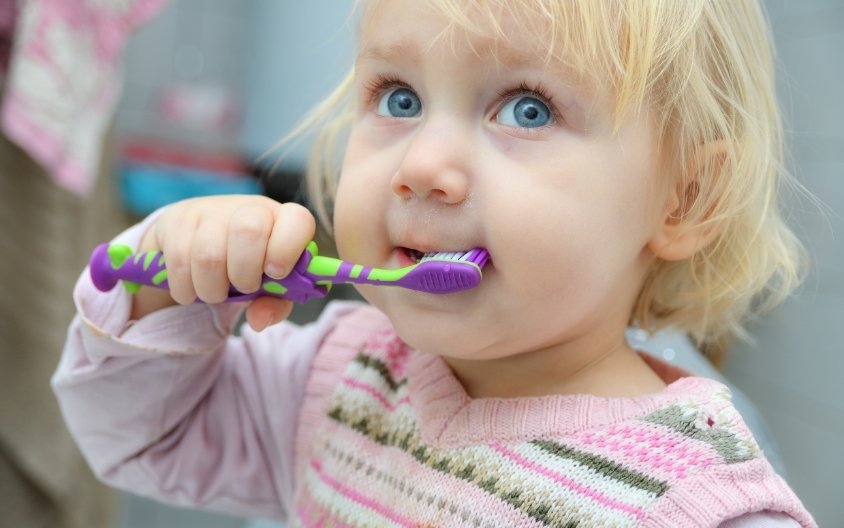
Toothbrushing Tips for Toddlers: Making It Fun and Effective
Maintaining good oral hygiene is crucial for toddlers. Healthy teeth support proper chewing and speech development and set the stage for lifelong oral health. However, many parents face challenges while brushing their toddlers’ teeth. Some children resist brushing, while others may fear it. This resistance can turn toothbrushing into a daily battle.
This post aims to help parents turn toothbrushing into a fun and effective routine. By making this essential task enjoyable, parents can promote healthy dental habits in their toddlers.
Understanding Toddler Dental Needs
Understanding toddler dental needs is vital for parents. Typically, a child’s first teeth, or primary teeth, begin to emerge around six months old. By age three, most children have 20 primary teeth. These teeth help toddlers chew food and form words. Healthy gums are equally important as they support these teeth. Even in young children, neglecting oral hygiene can lead to cavities and gum disease.
Early dental care establishes a foundation for lifelong dental health. Parents should begin brushing their toddler’s teeth when the first tooth appears. Use a soft-bristled toothbrush and a tiny amount of fluoride toothpaste. Regular brushing helps prevent plaque buildup and cavities. This routine encourages toddlers to enjoy brushing as they grow.
Additionally, regular dental check-ups are essential. They help identify issues before they become serious. Dentists can provide guidance on proper techniques and fluoride treatments. Parents should make dental visits a positive experience. This way, children learn to associate the dentist with care and fun. Establishing good oral hygiene habits early will lead to healthy teeth and gums for years to come.
Making Toothbrushing Fun
Toothbrushing should be a fun experience for toddlers. Here are some engaging activities to try:
Engaging Activities:
Incorporating songs or rhymes can make brushing time enjoyable. Singing familiar tunes while brushing helps toddlers look forward to it. Play a “toothbrush dance” during brushing to encourage movement. Dance around together to make the experience lively. This playful approach keeps toddlers engaged and excited about brushing.
Fun Tools:
Colorful toothbrushes featuring popular characters can also boost excitement. Letting children choose their favorite toothbrush makes them feel involved. Kid-friendly toothpaste flavors like bubblegum or strawberry can make brushing more appealing. When toddlers like their toothbrush and toothpaste, they are more likely to brush regularly.
Games and Rewards:
Creating a toothbrushing chart can be a fun way to track progress. Kids love to see their accomplishments. Use stickers as rewards for brushing consistently. Offer small rewards like extra storytime for completing the brushing chart. This encourages toddlers to view brushing as a game rather than a chore. Making toothbrushing fun turns it into a particular time between parents and toddlers.
Incorporating these elements can change toothbrushing from a struggle to a joyful routine. By using songs, fun tools, and games, parents can create positive experiences that promote lifelong habits. Remember, the goal is to make brushing a fun and regular part of your toddler’s day.
Establishing a Routine
Establishing a consistent toothbrushing routine is essential for building habits. Toddlers thrive on routine and structure. A daily schedule helps them understand what to expect. Aim to brush twice daily: once in the morning and once before bedtime. This helps reinforce the importance of oral hygiene.
To create a daily brushing schedule, choose specific times that fit into your family’s routine. Brush after breakfast and before bed to ensure it becomes a habit. Make toothbrushing part of the morning and evening rituals, like washing hands or reading stories. When toddlers see brushing as a regular activity, they are more likely to accept it.
To encourage enthusiasm, involve your toddler in the process. Let them choose their toothbrush and toothpaste. This simple choice gives them a sense of control. You could also allow them to pick a song to sing during brushing. Engaging them in the decision-making process helps them feel excited.
You can also make brushing a family affair. Brush your teeth together to model good behavior. When toddlers see their parents brushing, they learn that it is an essential part of life. Celebrating each successful brushing session together creates a positive experience.
Remember to be patient as your toddler adapts to this new routine. It may take time for them to embrace toothbrushing fully. Consistency and positive reinforcement will help them build this habit over time.
Teaching Proper Technique
Teaching proper brushing techniques is vital for effective oral hygiene. Start with a soft-bristled toothbrush that fits comfortably in your toddler’s mouth. Use a pea-sized amount of fluoride toothpaste. At this age, parents should brush their child’s teeth until they can do it independently, typically around age six.
Begin by holding the toothbrush at a 45-degree angle to the gums. Gently move the brush back and forth in short (tooth-wide) strokes. Brush the outer surfaces of the teeth, the inner surfaces, and the chewing surfaces. Do not forget to brush the tongue to remove bacteria and freshen breath.
Set a timer for two minutes to ensure thorough brushing. You can use a fun timer or a song that lasts for two minutes. This helps toddlers understand the importance of brushing for an adequate amount of time and makes it feel like a game.
Parental supervision is crucial. Young children may not be able to brush effectively on their own. Check that they brush all areas and remove any visible plaque. Encourage them to take turns with you. This way, they learn the correct technique while feeling involved.
After brushing, remind your toddler to spit out the toothpaste. Avoid rinsing immediately, as this can wash away fluoride benefits. Instead, encourage them to avoid eating or drinking for 30 minutes after brushing.
Addressing Common Concerns
Addressing common concerns can make toothbrushing easier for parents and toddlers. Here are some common issues:
Fear or Resistance:
Many toddlers feel anxious or resistant to brushing their teeth. To overcome this fear, make brushing time positive. Use gentle encouragement and avoid scolding. Introduce fun activities like brushing along with a favorite cartoon character. This helps reduce anxiety and makes brushing less intimidating.
Teething Troubles:
Teething can make toothbrushing uncomfortable for toddlers. Use a cold, wet washcloth to soothe sore gums before brushing. Gently brush their teeth to help them get used to the sensation. If they resist brushing, consider a teething toothbrush designed for comfort during this phase.
Dietary Influence:
A toddler’s diet greatly influences their dental health and brushing motivation. Limit sugary snacks and drinks, as they can lead to cavities. Encourage healthy snacks like fruits and vegetables. Explain to your toddler how good foods help their teeth stay strong. This understanding can motivate them to brush regularly.
Also, involve your toddler in discussions about healthy eating. Making it a fun conversation can help them make better food choices. When toddlers understand how food affects their teeth, they are more likely to embrace brushing.
When to Visit the Dentist?
Visiting a kids’ dentist is an important aspect of toddler dental care. The American Academy of Pediatric Dentistry recommends that children see a dentist by their first birthday or when their first tooth appears. Early visits help establish a dental home and build a positive relationship with dental care.
When preparing your child for a dental appointment, keep the mood light. Explain what will happen in simple terms. Use positive language to describe the experience. Consider reading books about visiting the dentist to familiarize them with the process. Role-playing can also help alleviate anxiety.
On the day of the appointment, ensure your toddler is well-rested and relaxed. Bring a favorite toy or comfort item to ease their nerves. Celebrate the visit afterward with a small treat or fun activity. This positive reinforcement helps children view dental visits as a regular and enjoyable part of life.
Toothbrushing is an essential activity for toddlers. Making it fun and engaging helps promote good oral hygiene habits. Parents should be patient and consistent as they establish a routine. Remember, positive experiences with brushing today will lead to healthy dental habits for life. Encourage your child to enjoy brushing their teeth, and watch as they develop a lifelong love for oral health.