


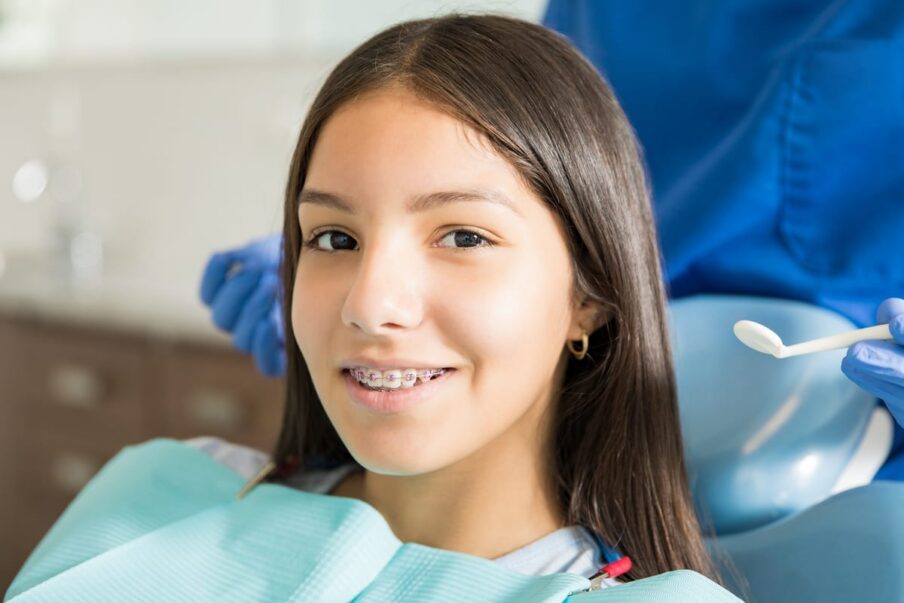
Orthodontic Treatment in McKinney, TX
Many McKinney residents wonder whether their bite issues are serious enough to address. If you’ve been asking yourself, is your bite a candidate for orthodontic treatment in McKinney, you’re not alone. Bite problems affect people of all ages and backgrounds. Understanding what makes someone a good candidate can help you take the first step toward a healthier, more comfortable smile.
At Red Oak Family Dentistry of McKinney, Dr. Anthony Do evaluates bite concerns with a thorough, patient-centered approach. This article walks you through the signs, the evaluation process, and the factors that shape the best treatment plan for your specific situation.
What Is a Bite Problem and Why Does It Matter?
Your bite refers to how your upper and lower teeth come together. When teeth align properly, chewing, speaking, and jaw movement all feel natural. When they don’t align correctly, it creates what dentists call a malocclusion.
Malocclusions come in many forms. Overbites, underbites, crossbites, and open bites are the most common types. Even crowding or spacing issues can disrupt your bite over time.
Leaving bite problems untreated often leads to bigger concerns. You may experience jaw pain, uneven tooth wear, headaches, or difficulty chewing. In some cases, untreated bites can even contribute to Tmj Treatment-related conditions that cause long-term discomfort.
Recognizing these signs early makes treatment more straightforward. That’s why a professional evaluation is so important before assuming your bite is fine.
Common Signs You May Need Orthodontic Treatment in McKinney
Not everyone with a bite issue notices obvious symptoms right away. Some problems develop gradually and become more pronounced over time. Knowing the warning signs helps you seek care before the issue worsens.
Here are common signs that your bite may need professional attention:
- Teeth that visibly overlap, crowd, or have large gaps between them
- Difficulty biting into or chewing food comfortably
- Jaw clicking, popping, or soreness during daily activities
- Teeth that wear down unevenly on specific surfaces
- Mouth breathing or difficulty closing the lips naturally
- Speech difficulties such as lisping or slurring certain sounds
- Facial asymmetry that seems related to jaw positioning
These symptoms don’t always mean orthodontic treatment is the only solution. But they are strong indicators that a bite evaluation is worth scheduling. Dr. Anthony Do reviews all these factors carefully during your consultation at our McKinney office.
What the Orthodontic Candidacy Evaluation Involves
Determining whether your bite is a candidate for orthodontic treatment starts with a comprehensive exam. Dr. Do doesn’t rely on visual inspection alone. A thorough evaluation gives a complete picture of your bite health.
Here is what you can expect during your candidacy evaluation:
- Clinical Examination: Dr. Do visually assesses tooth alignment, spacing, and jaw positioning during this step.
- Digital X-Rays: X-rays reveal the position of tooth roots, bone levels, and any hidden structural concerns.
- Bite Analysis: We assess how your upper and lower teeth contact each other during natural biting and chewing movements.
- Jaw Function Assessment: This step checks for signs of jaw tension, limited range of motion, or TMJ-related symptoms.
- Discussion of Your Goals: Dr. Do listens to your concerns and factors your personal goals into treatment planning.
This evaluation process helps rule out other contributing factors. Sometimes what appears to be a bite problem has a foundation in Restorative Dentistry needs, such as missing or damaged teeth. A complete picture ensures your treatment plan is accurate from the start.
Factors That Determine the Best Orthodontic Approach for Your Bite
Not every bite problem calls for the same solution. Several key factors influence which orthodontic approach will deliver the best results for your situation. Dr. Do considers all of these before making a recommendation.
Age and jaw development play a significant role. Children and teenagers often have more flexible jaw bones, which can simplify certain corrections. However, adults in McKinney successfully complete orthodontic treatment every day. Age alone does not disqualify anyone from care.
Severity of the malocclusion matters as well. Mild crowding or spacing may respond well to clear aligner systems. More complex bite discrepancies may require traditional brackets and wires for precise control. Dr. Do explains the reasoning behind each recommendation clearly.
Oral health status is another key factor. Orthodontic treatment works best when the teeth and gums are healthy before starting. If active decay or gum disease is present, those concerns need attention first. This protects your results and keeps your smile healthy throughout treatment.
Patient commitment also shapes success. Orthodontic treatment requires consistent follow-through, whether that means wearing aligners for the recommended hours or attending regular adjustment appointments. Dr. Do discusses realistic expectations with every patient before treatment begins.
Bite Candidacy in Children and Teens vs. Adults
Orthodontic candidacy looks slightly different depending on your stage of life. For children, Dr. Do may recommend early evaluation around age seven. This doesn’t mean every child needs treatment that young. It simply allows potential issues to be caught before they become more complex.
Teenagers are typically the most common age group for orthodontic treatment. Their jaws are still developing, which often makes correction more efficient. Treatment at this stage can also prevent more involved procedures later in adulthood.
Adults are excellent candidates as well. Many McKinney adults choose orthodontic treatment to address bites they’ve lived with for years. Others seek correction after previous dental work shifted their alignment. There is no upper age limit for evaluating your bite candidacy with Dr. Do.
The key takeaway is that candidacy is personal. A professional evaluation at Red Oak Family Dentistry of McKinney gives you an accurate answer based on your unique situation, not a general assumption.
Conclusion: Take the First Step Toward a Healthier Bite
Understanding whether your bite is a candidate for orthodontic treatment is the first step toward lasting oral health. Bite problems don’t fix themselves over time. In fact, many worsen gradually without professional intervention. Dr. Anthony Do and the team at Red Oak Family Dentistry of McKinney are here to help you understand your options with honesty and care.
Whether you’re dealing with crowding, jaw pain, or something you can’t quite name, a candidacy evaluation puts you in control of your dental health. You deserve a bite that feels comfortable and functions well every day. Book Now to schedule your appointment with our team.
Frequently Asked Questions
How do I know if my bite is bad enough to need orthodontic treatment?
You don’t have to self-diagnose. A professional evaluation with Dr. Do will determine whether your bite requires treatment. Common signs include crowding, jaw discomfort, uneven wear, and difficulty chewing. Even mild issues are worth discussing during a consultation.
Can adults get orthodontic treatment for bite problems?
Yes, absolutely. Adults of all ages can be strong candidates for orthodontic treatment. Many adults in McKinney successfully correct bites they’ve had for decades. Dr. Do tailors the approach to your age, bone density, and specific bite concerns.
What happens if I don’t treat a bite problem?
Untreated bites can lead to worsening tooth wear, jaw pain, TMJ-related symptoms, and gum problems over time. In some cases, misaligned bites make it harder to clean your teeth effectively, which increases the risk of decay. Early treatment helps prevent these complications.
Does orthodontic treatment hurt?
Most patients experience mild soreness for a few days after adjustments or when starting a new aligner tray. This discomfort is temporary and manageable. Dr. Do’s team provides guidance on how to stay comfortable throughout your treatment.
How long does orthodontic treatment take for bite correction?
Treatment length depends on the severity of the bite issue and the approach used. Some cases resolve in as little as six to twelve months. More complex corrections may take eighteen to twenty-four months. Dr. Do provides a realistic timeline estimate during your candidacy evaluation.