


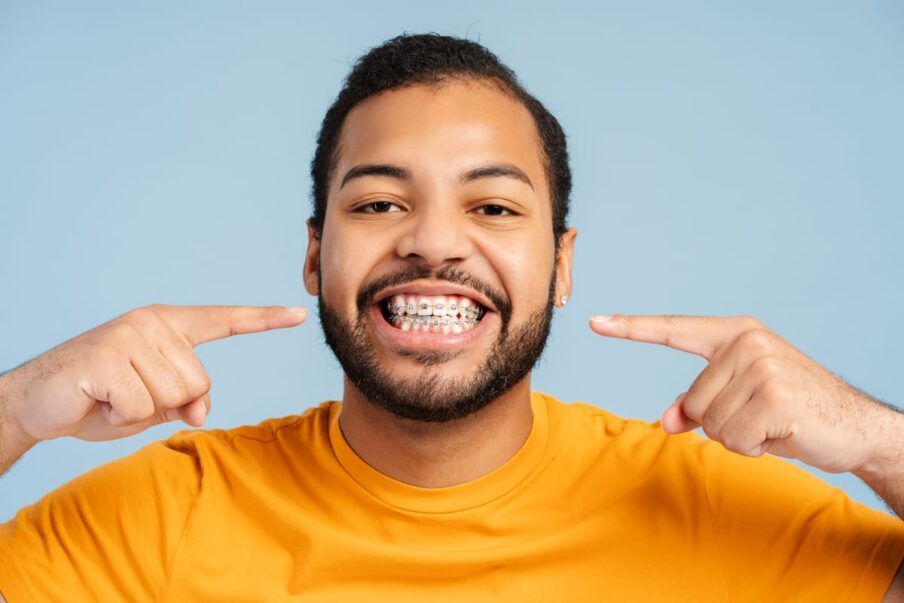
Your Braces Results Can Last a Lifetime—Here’s What Determines That
Your braces results can last a lifetime—here’s what determines that in McKinney and why so many patients are surprised to learn it. Getting braces is a major investment in your smile. But the finish line isn’t when the brackets come off. What happens after orthodontic treatment often matters more than the treatment itself. At Red Oak Family Dentistry Of McKinney, Dr. Anthony Do helps patients understand exactly what protects their results for the long haul.
Why Braces Results Don’t Always Last Forever
Teeth are not fixed structures. They shift naturally throughout your life. This movement is driven by jaw growth, muscle pressure, and everyday habits like chewing and speaking.
When braces are removed, the bone and tissue around your teeth are still stabilizing. That settling process takes months. Without proper support, teeth can drift back toward their original positions.
This process is called relapse. It doesn’t mean your orthodontic treatment failed. It simply means your smile needs ongoing care to hold its new alignment. Understanding relapse is the first step to preventing it.
What Shortens the Lifespan of Your Braces Results in McKinney
Several factors can shorten how long your orthodontic results hold up. Knowing these risks helps you stay ahead of them.
- Skipping retainer wear: This is the number one cause of relapse after braces.
- Teeth grinding or clenching: Also called bruxism, this habit puts constant force on your teeth and can shift alignment over time.
- Jaw joint problems: Issues with the temporomandibular joint can affect how your teeth sit together. If you’re experiencing jaw pain or clicking, Tmj Treatment McKinney may help protect your orthodontic results.
- Tooth loss: Missing teeth cause neighboring teeth to drift into open spaces, disrupting alignment.
- Gum disease: Unhealthy gums weaken the bone that anchors teeth in place, making movement more likely.
- Age-related changes: The lower jaw continues to grow slightly into adulthood, which can crowd front teeth over decades.
None of these factors are inevitable. Most can be managed or minimized with the right care plan.
What Extends Your Results: The Role of Retention
Retention is the most powerful tool you have for protecting your braces results. Your retainer holds your teeth in their corrected positions while the surrounding bone hardens and stabilizes.
There are two main types of retainers. Removable retainers are worn at night and can last for years with proper care. Fixed or bonded retainers are thin wires attached behind your teeth that work around the clock without any effort on your part.
Many orthodontists and dentists recommend wearing removable retainers indefinitely—at least several nights per week. That guidance might sound like a lot. But the alternative is watching your investment slowly reverse itself.
Dr. Anthony Do works with each patient to find a retention routine that fits their lifestyle and goals. Consistency matters far more than perfection here.
Ongoing Maintenance That Keeps Your Smile on Track
Retention is essential, but it’s only one part of long-term orthodontic success. Your overall oral health plays a huge supporting role.
Here are the maintenance habits that make the biggest difference over time:
- Attend regular dental checkups: Twice-yearly visits allow Dr. Do to catch early signs of shifting, gum problems, or retainer wear before they become bigger issues.
- Keep up with daily brushing and flossing: Gum disease is a silent threat to alignment. Healthy gums keep your teeth anchored in place.
- Replace worn retainers promptly: A cracked or warped retainer stops doing its job. Don’t wait months to replace it.
- Address dental problems early: Cavities, cracked teeth, or tooth loss can all disrupt alignment. Prompt Restorative Dentistry McKinney keeps your smile structurally sound.
- Protect your teeth during sports: A custom mouthguard prevents trauma that could knock teeth out of alignment.
These habits aren’t complicated. But they require consistency over years and decades. Think of them as the ongoing tuition for a smile you’ll enjoy for life.
What to Do If Your Teeth Have Already Shifted
If you’ve noticed some movement since finishing braces, don’t panic. Mild shifting is common and very treatable. Waiting too long, however, can allow more significant changes to set in.
Clear aligners are a popular option for patients who need minor re-correction. They are discreet, removable, and well-suited for adults who had braces in their teens. In some cases, a new retainer alone may be enough to gently guide teeth back into position.
The key is to have a professional evaluate what’s happening before deciding on a path forward. At Red Oak Family Dentistry Of McKinney, Dr. Do takes a thorough look at your alignment, bite, and overall oral health before recommending any next steps.
Early action almost always means simpler solutions. Delaying tends to make the situation more complex and costly to address.
Protecting Your Smile Is a Long-Term Partnership
Your braces results can last a lifetime—what determines that in McKinney comes down to choices you make after treatment ends. Consistent retainer wear, healthy oral hygiene habits, and regular dental visits form the foundation of lasting results. Addressing concerns like jaw joint problems or tooth loss early helps prevent them from undoing your orthodontic investment.
Dr. Anthony Do and the team at Red Oak Family Dentistry Of McKinney are here to support your smile at every stage—not just during active treatment. Whether you finished braces years ago or just had them removed, it’s never too late to build a stronger maintenance plan. Book Now to schedule your appointment with our team.
Frequently Asked Questions
How long do braces results typically last?
With consistent retainer wear and good oral hygiene, braces results can last a lifetime. Without a retainer, most people experience some degree of shifting within the first few years after treatment ends.
How often should I wear my retainer after braces?
Most dental professionals recommend full-time retainer wear for the first several months after braces. After that, nightly or several-nights-per-week wear is typically advised indefinitely to maintain your results.
Can teeth shift even if I wear my retainer regularly?
Minor changes can still occur over decades due to natural aging and jaw growth. However, consistent retainer wear significantly reduces the amount of shifting and helps preserve your alignment long-term.
What should I do if my retainer no longer fits properly?
A retainer that no longer fits is a sign that your teeth have shifted. Visit your dentist as soon as possible. Forcing an ill-fitting retainer can cause discomfort or worsen alignment. A new retainer or evaluation may be needed.
Can jaw problems affect my braces results?
Yes. TMJ issues can change how your upper and lower teeth fit together, which may gradually affect your alignment. If you experience jaw pain, clicking, or bite changes, it’s worth having these evaluated by a dental professional to protect your orthodontic results.