


When to Call an Emergency Dentist – Signs You Shouldn’t Ignore
No one wants to undergo a dental emergency, but unfortunately, they can happen when we least expect them. Whether it’s a sudden toothache or a broken tooth, knowing when to call an emergency dentist is crucial for your oral health and overall well-being. This blog post explores the signs you shouldn’t ignore and when to seek urgent dental care. So seize your cup of coffee, and let’s dive in!
What are the Signs of an Emergency Dental Issue?
There are a few different signs that may indicate you have an emergency dental issue. For example, if you have a tooth that is knocked out, a tooth that is cracked or broken, or severe pain in your mouth, these are all signs that you should seek professional medical attention immediately. Additionally, if you have swelling in your mouth or face or can see pus coming from your gums, these are signs of an infection that needs to be treated immediately.
Benefits of Seeing an Emergency Dentist
If you’re experiencing a dental emergency, it’s essential to get professional help at the earliest. An emergency dentist can provide the required treatment to relieve pain and prevent further damage. Here are some of the advantages of seeing such a dentist:
1. Relief from pain: If you’re in pain, an emergency dentist can provide relief with medication or other treatments.
2. Prevention of further damage: In some cases, such as a cracked tooth, prompt treatment can prevent further damage.
3. Assessment of the situation: An emergency dentist can assess your situation and suggest the best course of treatment.
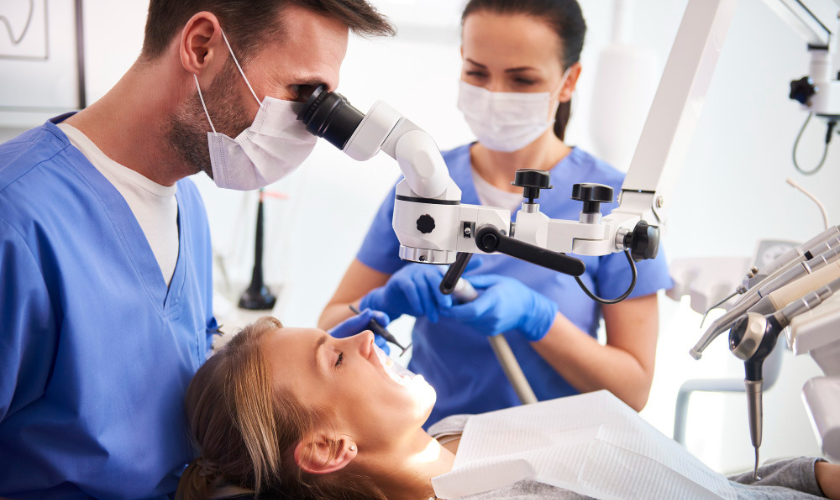
4. Access to specialized equipment: Emergency dentists have access to specialized equipment for treating dental emergencies.
5. peace of mind: Knowing that you’re receiving treatment from a professional can help put your mind at ease during a stressful time.
What Types of Problems Can an Emergency Dentist Treat?
When you have a dental emergency, seeing a dentist as soon as possible is required. A dentist can treat a variety of problems, including:
–Toothaches: A toothache can be caused by some things, including decay, infection, or trauma. An emergency dentist can determine the cause of your toothache and provide treatment to relieve your pain.
–Abscessed teeth: It is a pocket of pus that forms surrounding the root of a tooth. Abscesses are usually caused by infection and can be very painful. An emergency dentist can drain the abscess and prescribe antibiotics to clear the infection.
–Broken teeth: If you have a broken tooth, you must see an emergency dentist immediately. A broken tooth can be restored with a filling, crown, or other dental procedure.
–Lost fillings: A lost filling does not necessarily mean you need to see an emergency dentist, but it is something you should have checked out as soon as possible. A lost filling leaves your tooth vulnerable to decay and infection. An emergency dentist can replace your lost filling and protect your tooth from further damage.
Tips for Coping with a Dental Emergency
If you have a dental emergency, the first thing you should do is reach your dentist. If you cannot reach your dentist or if they are unavailable, go to the nearest hospital emergency room.
There are certain things you can do to help relieve pain and discomfort while you wait for medical help:
– Rinse your mouth with warm water. It will help clean the area and remove any debris.
– Apply a cold compress to the exterior of your face. It will help reduce swelling.
– Take over-the-counter pain medication if needed. For example, Ibuprofen can help with pain and inflammation.
– Eat or drink only after a dentist has seen your tooth. Eating or drinking can make the pain more threatening.
When Should You Call an Emergency Dentist?
If you’re experiencing a dental emergency, seeing a dentist as soon as possible is essential. But how do you know if your situation is an emergency? Here are sure signs that you should call an emergency dentist:
-You’re in severe pain, and over-the-counter medication isn’t helping
-You have a tooth that has been knocked out or is loose
-You have a mouth injury that is bleeding excessively
-You have swelling in your mouth or face
If you need to figure out whether or not your situation is an emergency, it’s always best to err on the side of caution and call your dentist. They’ll be able to suggest whether you need to come in for an appointment.
Tips to overcome dental emergency
Dental emergencies can be painful and scary, but there are steps you can take to confound them. The first tip is to remain calm and assess the situation. If you have a knocked-out tooth, try to preserve it in milk or saliva until you can see your dentist. For a broken tooth, rinse your mouth with warm water and apply a cold compress to reduce swelling. If you experience severe pain or bleeding, don’t hesitate to call an emergency dentist immediately. They will be able to provide immediate relief and prevent further damage from occurring. It’s crucial not to overlook any signs of dental emergencies as they can lead to more severe problems.
To avoid dental emergencies, practice proper oral hygiene, such as brushing twice daily and flossing often. Also, wear protective gear when participating in sports activities that put your teeth at risk for injury.
By following these tips, you’ll be better prepared for any dental emergency. Remember: prevention is key!