


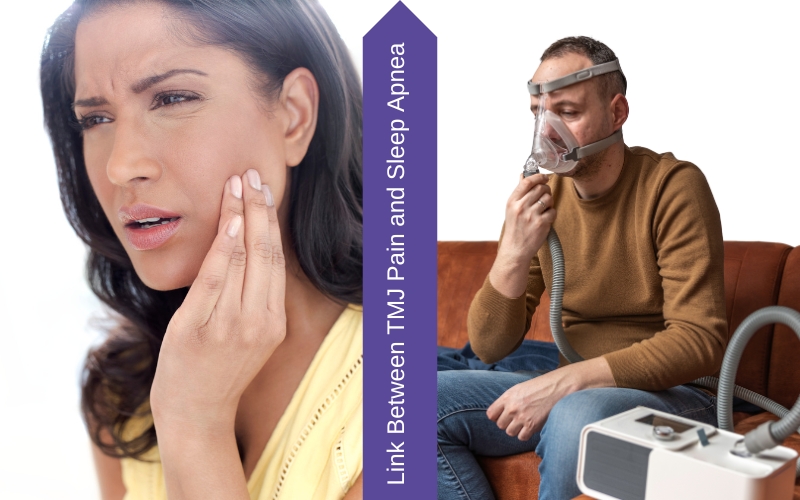
TMJ And Sleep Apnea: The Link You Didn’t Know
When it comes to sleep quality and jaw health, most people don’t realize there might be a significant connection between temporomandibular joint (TMJ) disorders and sleep apnea. These two conditions might seem unrelated at one glance, but they often co-occur, affecting your overall health and well-being of the individual. In this blog, we’ll focus on the link between TMJ disorders and sleep apnea and understand how proper treatment can enhance the quality of life.
Understanding TMJ Disorders & Sleep Apnea
What is TMJ Disorder?
The temporomandibular joint (TMJ) connects your jawbone to your skull and functions like a sliding hinge, allowing you to chew, speak, and yawn. TMJ disorders encompass a range of problems affecting this joint and the muscles controlling it. Symptoms can include:
- Jaw pain: Pain or tenderness in your jaw.
- Difficulty chewing: Discomfort while chewing or biting.
- Lockjaw: Your jaw can become stuck in an open or closed position.
- Clicking sound: Clicking or popping sounds when you open your mouth.
- Ear pain: Aching pain in or around your ear.
Having a sound knowledge of the symptoms ensures you get the best TMJ Disorder Treatment.
Know About Sleep Apnea
With sleep apnea, a person has difficulty sleeping and experiences frequent interruptions in breathing while they are asleep. These disruptions may happen several times an hour and last anything from a few seconds to several minutes.
The main types of sleep apnea include:
- Obstructive Sleep Apnea (OSA): The most common type, caused by the relaxation of throat muscles.
- Central Sleep Apnea: This happens when the respiratory muscles don’t receive the right signals from the brain.
- Complex Sleep Apnea Syndrome: A combination of obstructive and central sleep apnea.
The Link Between TMJ Disorders and Sleep Apnea
Though TMJ disorders and sleep apnea are different conditions, studies show a strong link between them. Here’s how they are connected:
- Muscle Tension: TMJ disorders can also result in tension in the areas of the jaw, neck, and shoulders. This tension can influence the position of your jaw during sleep, contributing to obstructed airways and sleep apnea.
- Jaw Position: Abnormal jaw alignment or movement due to TMJ disorders can narrow the airway, leading to breathing difficulties during sleep.
- Chronic Pain: Chronic pain from TMJ disorders can disrupt sleep patterns, increasing the likelihood of sleep apnea.
- Inflammation: Inflammation from TMJ disorders can affect the surrounding tissues, potentially impacting the airway and breathing during sleep.
Symptoms of Co-occurring TMJ Disorders and Sleep Apnea
If you think you have both TMJ disorders and sleep apnea, keep a look out for these overlapping symptoms:
- Frequent headaches: Especially in the morning.
- Jaw pain: Persistent pain or discomfort in the jaw.
- Daytime fatigue: Despite getting a whole night’s sleep.
- Snoring: Loud snoring followed by periods of silence.
- Difficulty concentrating: Memory problems or trouble focusing.
Seeking Treatment: TMJ Disorder Treatment
Addressing TMJ disorders and sleep apnea requires a comprehensive approach. There are several effective treatment options to consider for TMJ disorder treatment in McKinney. Have a brief idea of these treatment options:
- Dental Appliances:
- Mouthguards or splints: Custom-made devices worn at night can help reposition the jaw and alleviate TMJ symptoms.
- Continuous Positive Airway Pressure (CPAP): This device, which provides a constant stream of air through a mask, is a usual therapy for sleep apnea. It does this by keeping the airway open.
- Physical Therapy:
- Exercises: Some specific exercises can strengthen the muscles around the TMJ and improve jaw alignment.
- Massage and heat therapy: Message and heat therapy can reduce muscle tension and alleviate pain.
- Medications:
- Pain relievers: Over-the-counter or prescription medications can also help manage pain.
- Muscle relaxants: Muscle relaxants can reduce muscle tension in the jaw.
- Lifestyle Changes:
- Stress management: Methods like yoga and meditation can help reduce stress and muscle tension.
- Sleep position: Sleeping on your side may help lessen the symptoms of sleep apnea by maintaining an open airway.
- Surgical Options:
- Arthrocentesis: A minimally invasive treatment to clear the joint of debris and inflammatory byproducts.
- Jaw surgery: In severe cases, surgery might be required to correct structural problems in the jaw.
Importance of Professional Care
It’s crucial to seek professional care if you suspect you have TMJ disorders, sleep apnea, or both. A dentist or other medical specialist is qualified to accurately evaluate the issues and create a customized treatment strategy. In McKinney, specialized TMJ disorder treatment can address both issues, improving your quality of life and overall health.
Way to A Better Life
Understanding the link between TMJ disorders and sleep apnea is essential for effective treatment. Both conditions can significantly impact your health, but with the right approach, you can manage symptoms and improve your quality of life. If you’re experiencing symptoms of either condition, consider seeking TMJ disorder treatment to address these interconnected issues. Early intervention can lead to better sleep, reduced pain, and a healthier, happier life.
By addressing both TMJ disorders and sleep apnea together, you can take a comprehensive approach to your health, ensuring that your treatments are effective and holistic. Don’t let these conditions go untreated—seek professional help and start your journey toward better health today.
Frequently Asked Questions On TMJ Disorder & Sleep Apnea
- Can TMJ disorder cause sleep apnea?
Yes, TMJ disorders can cause or exacerbate sleep apnea by impacting the alignment of the jaw and tension in the muscles around the airway.
- What are the symptoms of having both TMJ and sleep apnea?
Symptoms include frequent headaches, jaw pain, daytime fatigue, snoring, and difficulty concentrating.
- How can I know if my sleep apnea is related to TMJ disorder?
If you are confused, the best idea is to consult a healthcare professional for a thorough evaluation. They may perform sleep studies and jaw assessments to determine the relationship between your TMJ disorder and sleep apnea.
- What treatments are available for TMJ disorder and sleep apnea?
Treatments include dental appliances like mouthguards, CPAP machines, physical therapy, medications, lifestyle changes, and in severe cases, surgery.
- Can treating TMJ disorder improve sleep apnea symptoms?
Yes, effectively treating TMJ disorder can help alleviate symptoms of sleep apnea by improving jaw alignment and reducing muscle tension around the airway.