


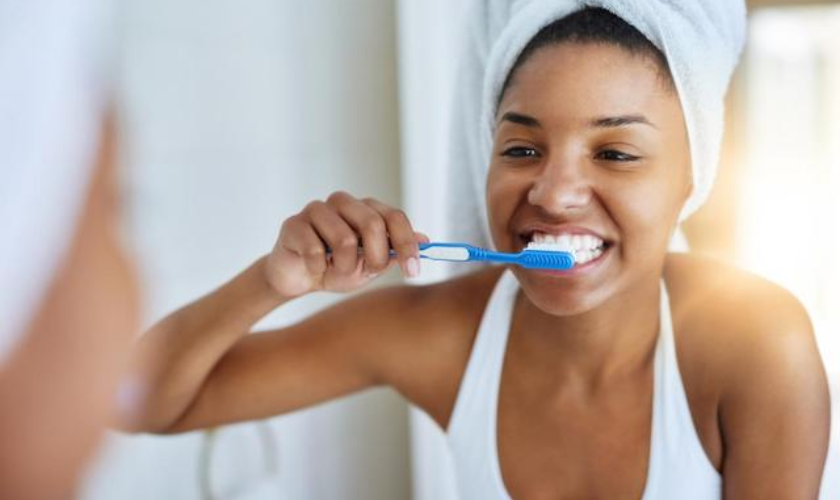
Is It Necessary To Brush After Every Meal
Maintaining a sparkling smile goes beyond aesthetics. Good oral hygiene is crucial for overall health, preventing cavities, gum disease, and even impacting your heart health. Brushing your teeth is a cornerstone of this routine, but the question of frequency can be murky. We’ve all heard the age-old advice to brush after every meal. But is this truly necessary, and what are the potential downsides? Let’s delve into the science of brushing and explore the best practices for keeping your pearly whites healthy.
The Power of Saliva: Your Mouth’s Natural Defender
Saliva plays a vital role in oral health. This remarkable fluid washes away food particles, neutralizes acids produced by plaque bacteria, and even contains minerals that strengthen tooth enamel.
Think of saliva as your mouth’s natural cleaning system. After you eat, it goes into overdrive to neutralize the acidity caused by food and drink. This acidity can weaken tooth enamel, leaving it vulnerable to decay.
Brushing After Every Meal: Friend or Foe?
While the idea of brushing away food debris after every meal seems logical, it’s not always the best approach. Here’s why:
Enamel Erosion:
Certain foods and drinks, especially acidic ones like fruits, juices, and sodas, can temporarily soften tooth enamel. If you brush after every meal, doing so too soon can scrub away this weakened enamel, increasing the risk of erosion.
Disrupting The Natural Balance:
Saliva takes time to neutralize acidity and remineralize teeth. Brushing right after a meal can disrupt this process, hindering your body’s natural defense mechanisms.
Finding the Brushing Sweet Spot: Brushing Twice a Day is Key
The American Dental Association (ADA) recommends brushing your teeth twice a day for two minutes each time. This provides optimal cleaning and allows sufficient time for saliva to do its job.
Morning Brushing:
Brushing first thing in the morning is essential to remove bacteria and food particles that have accumulated overnight.
Night-time Brushing:
This removes food debris and plaque buildup from the day, allowing your teeth to be clean throughout the night when saliva production decreases.
Brushing Techniques for Optimal Cleanliness
The brushing technique matters just as much as frequency. Here are some tips for maximizing the effectiveness of your brushing routine:
Choose a Soft-Bristled Toothbrush:
Hard or medium bristles can damage gums and tooth enamel. Opt for a soft-bristled brush that gently removes plaque without abrasion.
The Right Brushing Angle:
Hold your brush at a 45-degree angle to the gum line and brush in gentle, circular motions. Don’t forget to brush the chewing surfaces, backs, and tongues of your teeth.
Don’t Scrub:
Brushing too hard can damage gums and enamel. Use gentle pressure and a systematic approach to clean all surfaces of your teeth.
Two Minutes Matter:
Set a timer or use a brush with a built-in timer to ensure you brush for the recommended two minutes.
Beyond Brushing: Flossing Completes the Picture
Brushing alone can’t reach all the nooks and crannies between your teeth. Flossing at least once a day removes plaque and food particles from these areas, preventing gum disease and bad breath.
Flossing Techniques:
Choose the flossing method that is most effective for you from the several available. Gently guide the floss between your teeth, scraping the sides of each tooth before moving on to the next one.
Interdental Cleaning Aids:
If you find flossing challenging, consider using interdental cleaning aids like water flossers or pre-threaded flossers. These can be just as effective in removing plaque from between your teeth.
Special Considerations: When to Wait After Eating
While brushing twice a day is the gold standard, there are situations where waiting a bit after eating can be beneficial:
Acidic Foods and Drinks:
If you’ve consumed acidic foods or drinks, wait at least 30 minutes before brushing. This allows your saliva to neutralize the acid and strengthen your tooth enamel before brushing.
Morning Sickness:
Pregnancy-related nausea can make brushing unpleasant. If you experience morning sickness, rinse your mouth with water after vomiting and wait at least 30 minutes before brushing to avoid damaging softened enamel.
Brushing Up on Brushing Habits: Maintaining a Healthy Smile
In the previous section, we explored the importance of brushing and the science behind frequency. Now, let’s delve deeper into maintaining a healthy smile with additional tips and addressing common concerns.
Brushing Gear: Choosing the Right Tools for the Job
Brush After Every Meal:
Both electric and manual toothbrushes can be effective with proper technique. Electric toothbrushes, however, can make thorough cleaning easier, especially for those with dexterity limitations.
Toothpaste Selection:
Choose a toothpaste containing fluoride, a mineral that strengthens tooth enamel and helps prevent cavities. Consider your specific needs, such as sensitivity or gum health, when selecting a toothpaste.
Replacing Your Toothbrush:
Toothbrushes wear out over time. Replace your toothbrush every three to four months or sooner if the bristles become frayed.
Diet and Oral Health: The Two-Way Street
The food and beverages you consume have a big influence on your mouth health. Here’s how to make smart choices for a healthy smile:
Limit Sugary Drinks and Snacks:
Sugar feeds the bacteria in plaque, leading to increased plaque buildup and cavities. Whenever feasible, choose water or beverages without added sugar.
Fruits and Vegetables:
These provide essential vitamins and minerals that support oral health. However, be mindful of acidic fruits like oranges and grapefruits. Rinse your mouth with water, and remember to brush after every meal to neutralize acidity.
Calcium-Rich Foods:
Calcium strengthens tooth enamel. Include dairy products, leafy greens, and nuts in your diet for a healthy smile.
Don’t Forget the Power of Regular Dental Checkups
Brushing and flossing, especially when you brush after every meal, are crucial for maintaining good oral health, but they can’t replace regular dental checkups. Visiting a dentist in McKinney, like a Dentist in McKinney, for professional cleanings and examinations is essential for:
Early Detection of Problems:
Regular dental checkups allow dentists to detect cavities, gum disease, and other oral health issues in their early stages when they are easier and more affordable to treat.
Professional Cleaning:
Plaque and tartar accumulation that brushing and flossing are unable to eliminate can be removed by dentists.
Oral Cancer Screenings:
Dentists can perform screenings for oral cancer during routine checkups. Early detection is crucial for successful treatment of this type of cancer.
Following these recommendations can help you establish a consistent oral hygiene routine that keeps your smile healthy and bright.
Addressing Common Brushing Concerns
Here are some additional questions people often have about brushing:
Is Brushing My Tongue Important?
Yes! Brushing your tongue helps remove bacteria and food debris that can contribute to bad breath.
What About Mouthwash?
Mouthwash can be a helpful adjunct to brushing and flossing, but it’s not a substitute for them. Mouthwash can freshen breath and help control plaque buildup, but it won’t remove food debris or plaque as effectively as brushing and flossing.
Electric Toothbrush vs. Manual Toothbrush: Which is Better?
Both can be effective with proper technique. Electric toothbrushes can be easier for some people to use and achieve a more thorough cleaning. Ultimately, the best type of brush is the one you will use consistently.
How Often Should I Replace My Toothbrush?
Every four to six months, or more frequently, if the bristles start to tear.
Is Brushing Too Hard Bad for My Teeth?
Yes! Brushing too hard can damage gums and tooth enamel. Use gentle pressure and a systematic approach to ensure all surfaces of your teeth are cleaned.
By incorporating these tips and addressing any lingering concerns, you can create a personalized oral hygiene routine that keeps your smile healthy for years to come. Recall that having a healthy grin improves your general well-being in addition to giving you more confidence. So, grab your toothbrush, floss, and brush after every meal to embrace the power of a good brushing routine!