


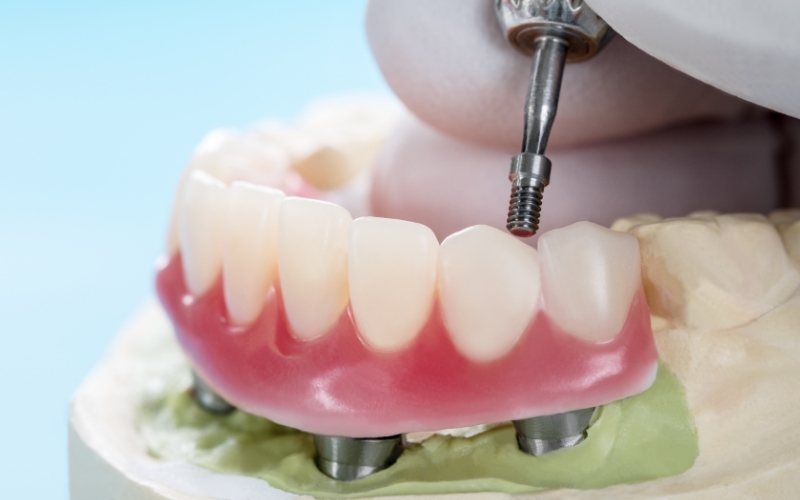
Do dental implants have fake gums?
In the world of contemporary dentistry, dental implants have transformed how we address the need for tooth replacement. Beyond merely restoring function, they provide a lasting solution that enhances both the functionality and appearance of your smile. Yet, a common question among those exploring implants is whether they include “fake gums.” This concern is natural, as patients aspire for their dental restorations to seamlessly blend in with their natural teeth.
Know About Dental Implants and Gum Tissue
Dental implants consist of three crucial components: the titanium implant fixture, acting as an artificial tooth root securely positioned in the jawbone for stability. An abutment connects the fixture to a prosthetic tooth or crown, typically crafted from durable materials like porcelain or ceramic. These materials are chosen for their ability to replicate the natural appearance and function of teeth, including translucency and color.
Contrary to common misconception, dental implants do not include “fake gums.” Instead, the gums surrounding the implant are natural tissue, carefully shaped to blend harmoniously with your existing gums. Achieving a natural-looking smile depends on precise implant placement and the thoughtful design of the prosthetic tooth, ensuring both functional reliability and aesthetic appeal. This underscores the critical role of skilled dental care in achieving optimal outcomes for dental implant procedures.
Types of Gum Tissue Around Dental Implants
The appearance of the gum tissue around dental implants can vary depending on several factors, including:
- Gum Contour: The contour of the gums plays a crucial role in how natural the implant restoration appears. Skilled dentists meticulously shape the gums to blend seamlessly with the natural gum line of adjacent teeth.
- Gingival Color: The color of the gum tissue is another consideration. Natural gums have a slightly pinkish hue, and this is replicated in the gums around dental implants to achieve a lifelike appearance.
- Gum Texture: The texture of the gum tissue around implants should match that of natural gums, with a healthy and smooth surface that enhances the overall aesthetics of the smile.
Factors Affecting the Aesthetics of Dental Implants
Several key factors significantly influence the aesthetic success of dental implants:
- Precision in Implant Placement: The placement of the implant fixture is crucial for achieving natural-looking results. A dentist ensures that the implant is positioned optimally within the jawbone, providing stable support for the prosthetic tooth. This precise placement also contributes to creating harmonious gum contours around the implant, enhancing the overall aesthetic appearance of your smile.
- Impact of Prosthetic Design: The design and choice of materials for the prosthetic tooth or crown play a pivotal role in how seamlessly it blends with your natural teeth. Modern advancements in materials such as porcelain and ceramic offer exceptional aesthetic qualities, including color matching and translucency.
- Essential Role of Gum Health: Healthy gums are essential for the long-term success and appearance of dental implants. Regular dental check-ups and diligent oral hygiene practices are crucial in preventing gum disease, which can compromise the stability and aesthetics of the gums surrounding implants.
Practical Tips for Maintaining Dental Implants
To ensure your dental implants look and feel natural for years to come, consider the following tips:
- Follow Oral Hygiene Practices: Brush and floss regularly to keep your gums and implant restoration clean. Use a soft-bristled toothbrush and non-abrasive toothpaste to avoid damaging the implant or gums.
- Attend Regular Dental Check-ups: Schedule routine visits to your dentist for professional cleanings and exams. Your professional will monitor the health of your implants and gums, addressing any issues early on.
- Avoid Smoking: Smoking can negatively impact gum health and increase the risk of implant failure. If you smoke, consider quitting to improve the longevity of your dental implants.
- Protect Your Implants: If you participate in contact sports or grind your teeth at night, wear a mouthguard to protect your implants from damage.
- Maintain Overall Health: Eat a balanced diet rich in vitamins and minerals to support gum health and overall well-being.
Dental implants offer a reliable and natural-looking solution for tooth replacement. They do not have “fake gums” but instead rely on natural gum tissue to create a seamless smile. The key to successful implant aesthetics lies in the expertise of your dentist and the quality of the materials used.
By understanding how dental implants interact with gum tissue and implementing proper care practices, you can enjoy the benefits of a natural-looking smile for years to come.