


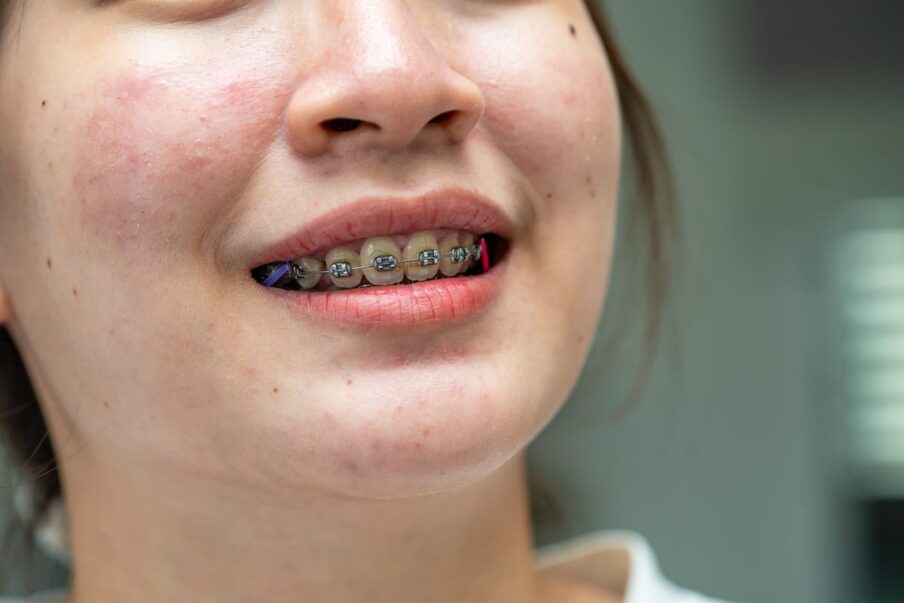
Crooked Teeth Risks in McKinney, TX
Most people think crooked teeth are just a cosmetic issue. But ignoring crooked teeth — what your smile costs over time in McKinney can surprise you. The real toll goes far beyond appearance. From worn enamel to jaw pain, untreated misalignment creates problems that grow more expensive with time.
At Red Oak Family Dentistry of McKinney, Dr. Anthony Do sees patients every week who wish they had acted sooner. This article explains what happens when crooked teeth go unaddressed — and why the right time to correct them is always now.
Why Crooked Teeth Are More Than a Cosmetic Concern in McKinney
It’s easy to think of a crooked smile as purely a confidence issue. But misaligned teeth affect how you bite, chew, and clean your mouth. These functional problems build up gradually and quietly.
When teeth don’t align properly, some bear more pressure than others. Over years, this uneven force wears down enamel at an accelerated rate. Once enamel is gone, it doesn’t grow back.
Crooked teeth also create tight spaces and awkward angles. These are difficult to clean with a toothbrush or floss. Bacteria and plaque accumulate there, raising your risk of cavities and gum disease.
Here are some of the less obvious ways misalignment affects your health:
- Increased risk of tooth decay in hard-to-clean gaps
- Higher likelihood of gum inflammation and periodontal disease
- Uneven enamel wear leading to sensitivity
- Stress fractures in teeth that absorb too much bite force
- Difficulty chewing certain foods, which can affect nutrition
The Long-Term Costs of Delaying Orthodontic Treatment
Delaying treatment rarely saves money — it usually does the opposite. Small alignment issues tend to worsen over time. A mild crowding problem at age 25 can become severe crowding at 40.
As misalignment progresses, teeth shift further out of position. This can change your bite significantly. A changed bite leads to a cascade of other dental problems.
Worn or cracked teeth eventually need crowns, Restorative Dentistry, or even extraction. Each of these treatments costs more than early orthodontic correction would have. Prevention truly is less expensive than repair.
Patients who delay also risk bone loss. When teeth are misaligned, the surrounding bone doesn’t receive even stimulation. This can lead to long-term structural changes in the jaw and gum tissue.
How Crooked Teeth Contribute to Jaw Pain and TMJ Problems
One of the most overlooked consequences of misaligned teeth is jaw strain. Your jaw muscles work hard every time you chew, speak, or swallow. When teeth don’t align correctly, those muscles compensate constantly.
Over time, this compensation leads to chronic tension in the jaw joint. That joint is called the temporomandibular joint, or TMJ. Strain there causes headaches, jaw clicking, facial pain, and difficulty opening your mouth.
If you’re already experiencing these symptoms, Tmj Treatment may be necessary alongside orthodontic correction. Addressing both issues together produces better results than treating them separately.
Dr. Anthony Do evaluates bite alignment as part of every comprehensive exam. Catching early signs of jaw strain can prevent years of discomfort and costly intervention.
What Your Correction Options Look Like in McKinney
The good news is that misalignment is very treatable at almost any age. Modern orthodontic options are more comfortable and discreet than ever before. Adults and teens alike have multiple paths to a straighter smile.
Traditional braces remain highly effective for complex cases. They give Dr. Do precise control over tooth movement. Many patients complete treatment in 12 to 24 months.
Clear aligner therapy is another popular option. These custom trays shift teeth gradually and are nearly invisible when worn. They’re removable, which makes eating and cleaning easier during treatment.
Here’s what to expect when you start the correction process at Red Oak Family Dentistry:
- A comprehensive exam and digital X-rays to assess alignment
- A treatment plan tailored to your bite, age, and goals
- Regular progress appointments to monitor tooth movement
- A retention phase after treatment to maintain your results
Every plan is individualized. Dr. Do takes time to explain all your options before any treatment begins.
Why McKinney Patients Shouldn’t Wait Any Longer
The longer misalignment continues, the more your teeth, gums, and jaw adapt to the wrong position. Correcting deeply entrenched patterns takes more time and effort. Starting earlier — even as an adult — gives better outcomes.
Your overall health is also at stake. Research continues to link poor oral health to systemic conditions. Gum disease, which crooked teeth accelerate, has connections to heart disease and diabetes.
There’s also the quality-of-life factor. People with aligned smiles often feel more confident in social and professional settings. That confidence has real value in daily life. Straightening your teeth isn’t vanity — it’s investing in yourself.
At Red Oak Family Dentistry of McKinney, Dr. Anthony Do and his team are here to guide every step of your journey. Whether you’re just noticing a shift or have lived with misalignment for decades, there’s a path forward. Book Now to schedule your appointment with our team.
Frequently Asked Questions
At what age should crooked teeth be treated?
Crooked teeth can be treated at nearly any age. Children often benefit from early evaluation around age 7, when the jaw is still developing. Adults can also achieve excellent results with modern orthodontic options. Dr. Anthony Do will assess your specific situation and recommend the right timing for treatment.
Can crooked teeth cause headaches?
Yes, they can. Misaligned teeth alter how your jaw muscles work. Over time, this creates tension in the jaw joint and surrounding muscles. That tension frequently causes recurring headaches and facial pain, especially in the morning.
Is it safe to leave mild misalignment untreated?
Mild misalignment may seem harmless at first. However, teeth naturally shift as we age, and mild cases often worsen without intervention. Even slight crowding creates hard-to-clean areas that increase cavity and gum disease risk. A professional evaluation helps determine whether treatment is advisable.
How long does orthodontic treatment take for adults?
Treatment length varies based on the complexity of your case. Many adults complete treatment in 12 to 24 months. Some mild cases with clear aligners may finish sooner. Dr. Do will give you a realistic timeline during your initial consultation.
Will straightening my teeth affect my overall health?
Straighter teeth are easier to clean, which reduces your risk of gum disease and decay. There is also growing evidence linking oral health to systemic health conditions like heart disease. Correcting misalignment supports both your smile and your broader wellbeing.